
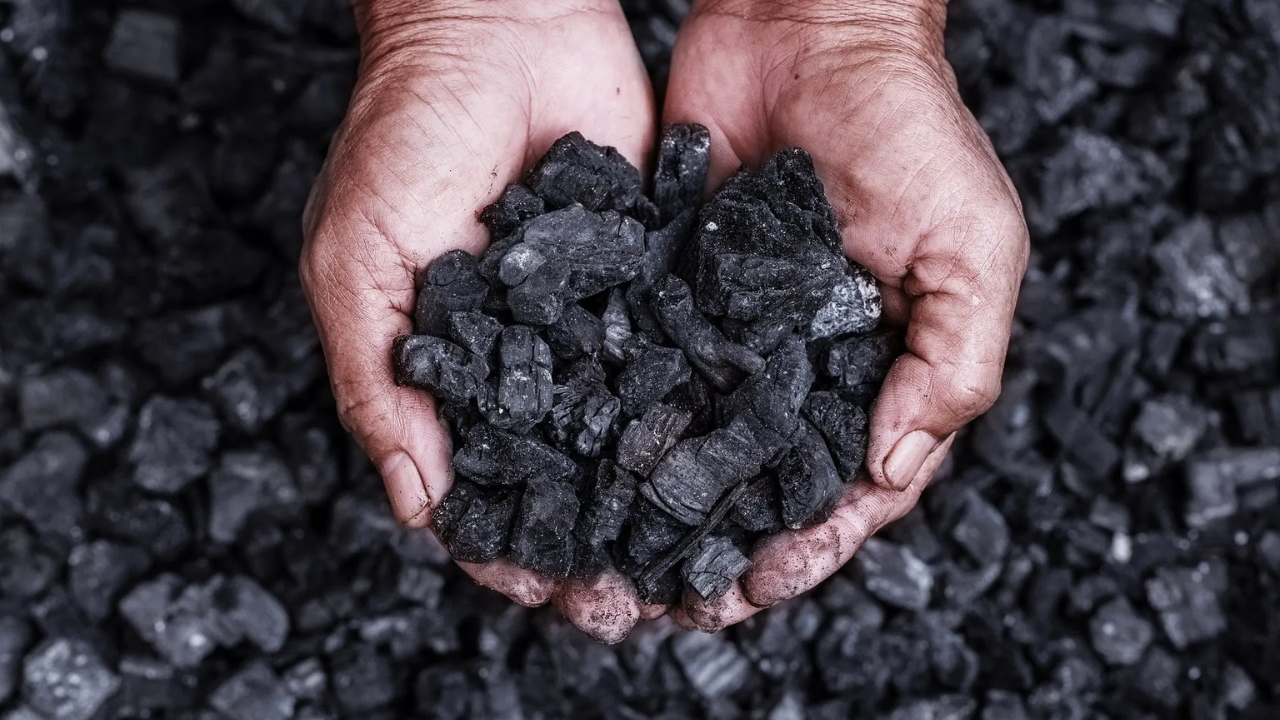
Petroleum Coke Pet-Coke

Petroleum Coke (Petcoke)

Attributes, Practical Applications, and Industry Guidelines

Petroleum coke (petcoke) is a carbon-dense solid derived as a byproduct of crude oil refining. Owing to its high heating value, minimal moisture content, and economical cost, it is widely used as a key fuel source in industries such as power generation, cement production, and metallurgical operations.

What is Petroleum Coke?

Petroleum coke is generated through the coking process, in which heavy residual fractions from crude oil refining undergo thermal decomposition. This process yields a hard, black, coal-like material that consists mainly of carbon (about 80–95%), with smaller quantities of hydrogen, sulfur, nitrogen, and trace heavy metals.

Property

Description

Appearance

Black, granular or solid, coal-like material

Carbon Content

80% – 95%

Moisture Content

Low (typically <1%)

Sulfur Content

Ranges from <1% to >6% (depends on crude source)

Volatile Matter

5% – 15%

Ash Content

0.1% – 3%

Heating Value

~7,000 – 8,500 kcal/kg (29 – 36 MJ/kg)

Hardness

Very hard, non-volatile

what is petroleum coke

Types of Petroleum Coke

Petroleum Coke is classified into different types based on its production method and physical characteristics:

Type

Description

Green Petcoke

Uncalcined petcoke directly from coker units; high in volatile matter and moisture.

Calcined Petcoke

Green petcoke that has been heat-treated to remove volatiles and moisture; used in aluminum and steel industries.

Needle Coke

High-quality form used in the production of graphite electrodes for electric arc furnaces.

Shot Coke

Spherical-shaped, hard petcoke with limited commercial use.

Sponge Coke

Porous structure, commonly used in fuel applications.

Applications of Petroleum Coke

Petroleum coke is widely utilized across multiple industrial sectors because of its high calorific value, high carbon content, and comparatively low cost.

Fuel Grade Applications:
    • Cement Industry: As a primary fuel for kilns due to its consistent combustion and affordability.

    • Power Plants: Used as a fuel in coal-fired power plants, often blended with coal.

    • Lime Kilns and Brick Ovens: Utilized in energy-intensive heating operations.

Non-Fuel/Industrial Applications:

      • Aluminum Industry: Calcined Petcoke is a key raw material in the production of anodes used in aluminum smelting.

      • Steel and Metallurgy: Used in electric arc furnaces and foundries as a recarburizing agent.

      • Graphite Production: Needle coke is used to make graphite electrodes.

⚠️ Environmental Note: High-sulfur petcoke must meet environmental standards due to SO₂ and particulate emissions during combustion.
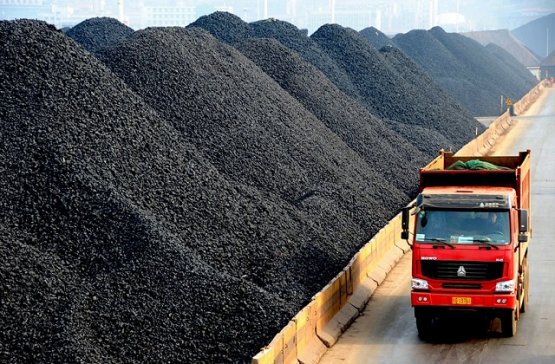
Environmental and Regulatory Considerations

Petcoke’s high carbon and sulfur content make it a pollutant-intensive fuel. Upon combustion, it can emit:

  • Sulfur Oxides (SOx)

  • Nitrogen Oxides (NOx)

  • Fine Particulate Matter (PM2.5 & PM10)

Due to these emissions, many regions regulate the sulfur content and ash levels in petcoke, especially for large-scale combustion. Environmental agencies often require:

        • Desulfurization Equipment

        • Particulate Control Systems

        • Combustion Efficiency Monitoring


1524993227 turkmenistan na chetvert uvelichil proizvodstvo neftyanogo koksa

Global Producers and Exporters

Petroleum coke is produced wherever there are large-scale crude oil refineries with delayed coking units. Major producers include:

  • United States – One of the largest producers and exporters.

  • China – Extensive use in domestic industries.

  • India – Heavy consumer in cement and aluminum industries.

  • Russia – Known for high-carbon and low-ash petcoke.


Market Trends and Economic Factors

Petcoke’s pricing and demand are influenced by:

  • Global Oil Refining Capacity

  • Crude Oil Prices

  • Environmental Regulations

  • Aluminum and Steel Production Levels

  • Coal Market Substitution Trends

In recent years, the petcoke market has experienced rising demand in emerging economies due to its cost-effectiveness compared to coal.


Conclusion

Petroleum Coke (Petcoke) plays a critical role in energy-intensive and carbon-focused industries. Whether used as a fuel or an industrial carbon source, its unique combination of affordability, energy density, and industrial relevance makes it indispensable to sectors such as power generation, cement production, and metal refining. As environmental regulations evolve, producers and end-users must adapt to stricter quality standards and emissions controls to ensure sustainability and compliance in the global energy market.